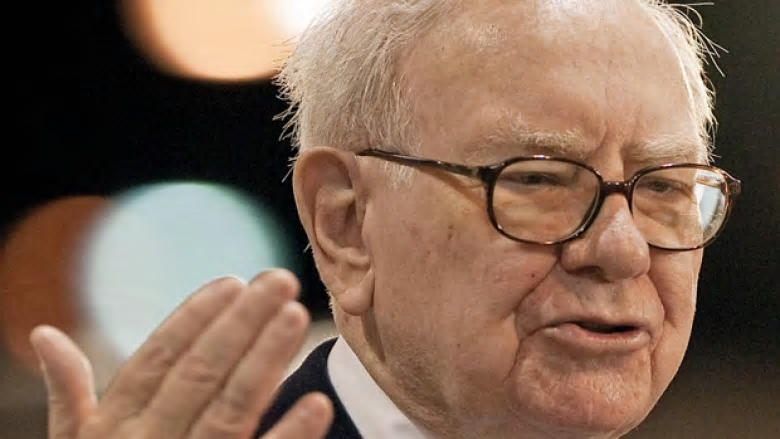
 When Warren Buffet announces that one of his subsidiaries is investing $200 million to build a large wind farm in South-Western Alberta, it sends signals to the rest of the world. Renewables in a province that produces most of Canada’s coal, oil and natural gas is a big news story.
It means big business sees electrical power produced by wind as a profitable long-term investment. And, it is more than upgraded wind technology that is attracting these investments. It is coal that will not compete with either wind or solar in generating electricity in the long-term.
Warren Buffet’s holding company controls subsidiaries worth about $200 billion and they have invested about $16 billion to date in both solar and wind.
These investments will always be promoted by politicians as part of their efforts to fight climate change, but they are being done for good economic reasons. It’s called return on investment. Warren Buffet’s investment companies will also invest in natural gas electrical generating facilities wherever it makes sense.
The state of Iowa, in the US, has a major wind project underway. Think of 1000 wind turbines costing about $3.5 million each. This is big business. But the plan is to generate 40% of Iowa’s electrical power from wind. I am sure one of Warren Buffett’s companies has some of this action.
A significant issue associated with Warren Buffett being invested in renewables has to do with the issue of solar energy being produced by large utility-sized solar farms or solar power being produced on the rooves of people’s homes and fed into the grid using what they call “net-metering”.
With net-metering, consumers of electrical energy are also producers, and feeding surplus solar energy into the grid can cut down on their energy bill.
In the US, Elon Musk, who owns a large solar company called SolarCity supports roof-top solar. Musk is also in the battery business. And Warren Buffet supports only utility solar and is against net-metering.
It is the kind of big business/small business debate that was my life when I was the leader of the Canadian Federation of Independent Business. Threats to small scale enterprise come from big business, big labour and big government.
04-06 Buffet
(blank) » John Bulloch » 19 Global Issues » 05 Wind »