When I was a boy of eight, I found it fun to use a magnifying glass to focus the rays of the sun to burn a hole in a piece of paper. Well, this is one form of solar energy which is called CSP or Concentrated Solar Power.
With the use of mirrors, the heat of the sun can be used to heat fluids like liquid salt to temperatures over 500 degrees Fahrenheit. And this hot fluid can convert water into steam 24 hours a day. The steam of course then powers turbines and electrical generators. This technology is not complex.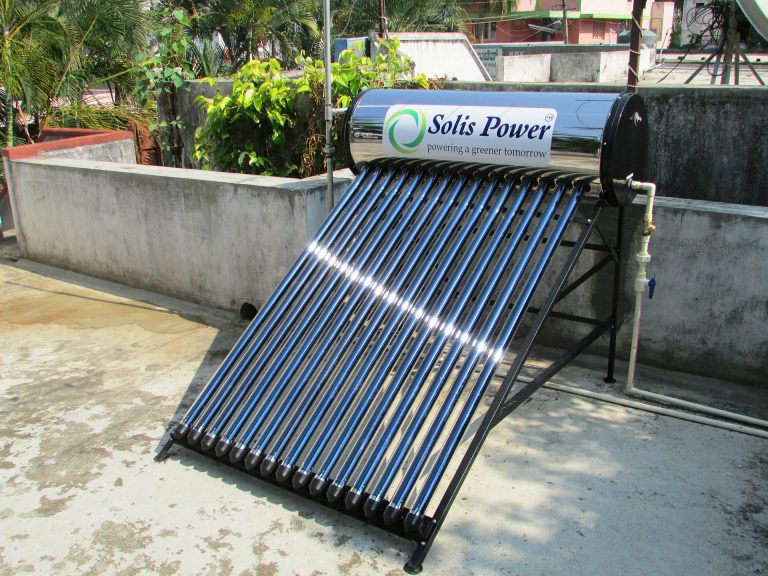 A simpler and common application of the sun’s heat are water heaters as shown in the photo.
The more interesting solar technology is converting sunlight directly into electrical energy, which is called photovoltaic or PV technology. This was something new when I was an engineering student, although I was told that sunlight on some materials created an electrical charge.
Basically, what they do to create a PV cell is put wafers of specially treated silicon together. Lots of cells wired together gives you an electrical current. The problem is that pure silicon needed to create solar cells is expensive to manufacture. Ordinary sand is a form of silicon, so the raw material is plentiful.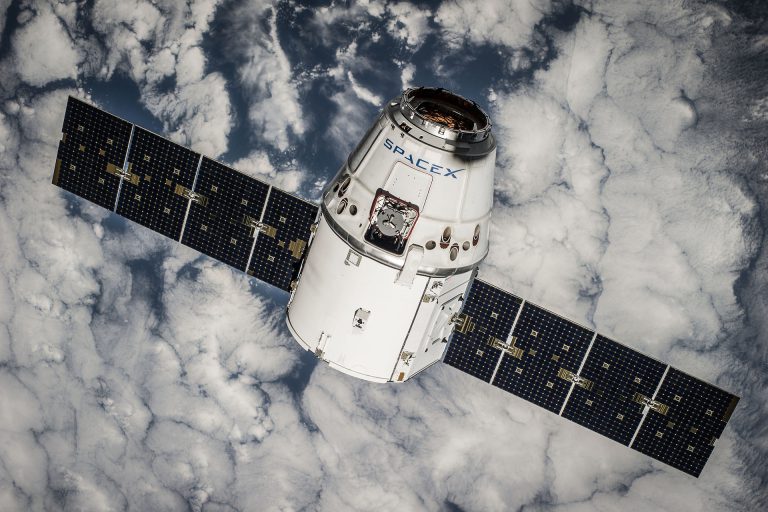 An earlier application of PV technology was providing energy for satellites.
But what is happening at research centres around the world is the development of new materials to create solar cells that are cheap to manufacture. Think of making solar cells by printing solar material on sheets of paper.
And the new research promises solar materials that convert a higher portion of solar energy into electricity. Light contains a wide range of frequencies, and the trick is finding ways to convert more of these frequencies into electricity.
The future magic is going to be associated with research and commercialization of PV technology. It is a revolution in the making.
In terms of dollars and sense, assume your local power company is selling you electricity for say 12 cents per kilowatt hour or kWh. A kilowatt hour is a measure of energy like a calorie. And today with the improvement in PV technology, a typical rooftop solar installation can also produce energy at about 12 cents per kWh.
Now, think of what this means for the economies of the world when rooftop solar is producing electrical energy at say 6 cents per kWh. It means a global explosion in new jobs installing solar facilities.
And solar cells of the future will be smaller and adaptable to thousands of new products like clothing, appliances and whatever.
05-05 The Technology
(blank) » John Bulloch » 19 Global Issues » 06 Solar »