Most of what government’s deal with is unplanned. So, we should not assume that even industry can plan its future. And this applies in spades to nuclear energy.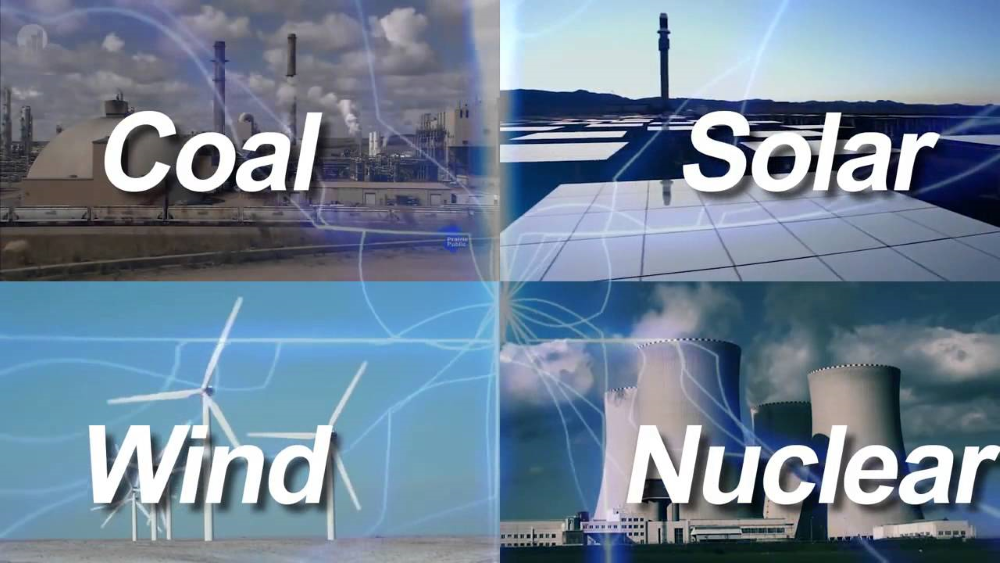 It would be my thinking that our energy future is so complex that we cannot study the future of nuclear unless we are also studying the future of competing sources of energy like coal, wind and solar. These are the global players in the generation of future electrical energy,
Anytime we consider the future of any resource, we should naturally first look at future prices, and the supply and demand issues that determine prices. Then we should look at the technology and the amount of research that is being funded. Then, of course, we should consider politics and the extent to which good decisions are hampered by public perceptions and public emotions.
This is what they tried to tell me during my university days, and what I have confirmed after 30 years as a political activist.
Nations like Germany that are eliminating nuclear energy generation because of its toxic politics have made a huge mistake. Is it better for them to import electrical power from France which is produced using nuclear energy? Or is it better to import cheap natural gas from Russia? The real tragedy is not having German engineers doing research and development on new nuclear technologies.
If we were just looking at prices, I would be pessimistic. Nuclear energy does not compete with crude oil prices but natural gas. And cheap natural gas from fracking in the US is making it hard to justify new US nuclear reactors.
But what might be cheap natural gas in the US is not cheap when it is cooled and converted to liquified natural gas or LNG and shipped to Europe or China. Thus, competing fossil fuels are different equations in different regions of the world.
And we can all be assured that in nations like the US, France, the UK, and China major research is underway in the design of smaller, cheaper nuclear reactors, and alternative nuclear fuels. The future of nuclear energy is in the hands of their engineers and scientists.
If governments really want to encourage anything, they have a thousand tricks up their sleeves in terms of regulations, taxes, duties and subsidies. They always make these initiatives so inordinately complex, that as a result, the public never really understands what they are doing.
And if any nation is on the verge of a technological breakthrough in the production of nuclear energy, or any energy source, the regulations and other initiatives will start to flow. These goodies show up in the fine print of government budgets.
And guess what? Politicians do not read them or understand them. But those industry techies understand them. Thank goodness. There is hope for the future of nuclear energy.
03-04 The Future
(blank) » John Bulloch » 17 Energy » 03 Nuclear »