If all the developed nations of the world followed the lead of Sweden and France in using nuclear power to produce electrical energy, then nuclear energy would replace fossil fuels.
But it will not happen. The political decisions made by these two nations to go nuclear were not based on a concern for carbon dioxide emissions and climate change but because of their dependence on imported crude oil.
When we talk of replacing fossil fuels we are essentially talking about coal, oil and natural gas for generating electricity, for heating our homes and for fueling internal combustion engines. 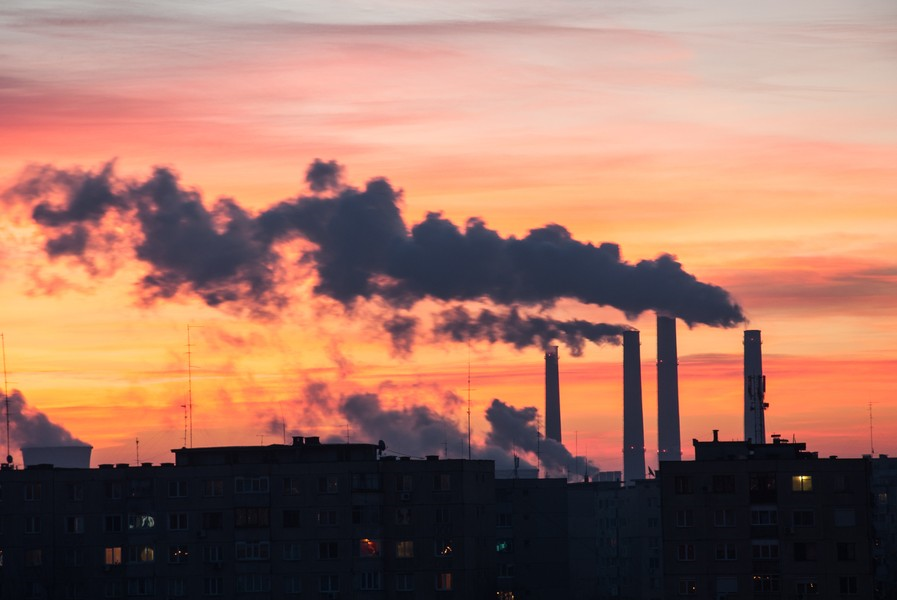 Replacing coal-fired power plants are the priority because they put more than carbon dioxide into the air. Sulphur dioxide is one of those smelly gases produced by burning coal and it is the same gas that humans and animals send into the air as part of the digestive process. Being polite here.
And importantly, the issue of replacing fossil fuels will be determined more by the future price of oil and gas and technology than anything politicians do. But some politicians can really make a huge difference. Let me explain.
Oil and gas will go up in price because of the rate at which we are consuming fossil fuels and because of the absence of large new discoveries. This will provide a stimulus for all kinds of research into alternatives. And the major alternative, in my opinion, will be nuclear.
Most efforts by politicians to reduce the use of fossil fuels are not significant enough to make a difference. For oil and gas producers like Canada, politicians are required to embrace climate change and the sale of oil and gas at the same time. Of course, it is all “phony baloney”.
But if the politicians of California decide to eliminate the sale of cars using combustion engines, and they will, then this will change car design everywhere. And the batteries that will fuel the electric cars of the future will be powered by both nuclear energy and solar energy.
What is so interesting about nuclear energy is its complexity. This means there are unlimited opportunities for innovation.
We have “fission” which is about splitting atoms apart. This what we are talking about with current nuclear technology. But then we also have a new nuclear technology that crushes atoms together which is called “fusion”. Lots of research going on around the world.
I know from working in a refinery that the basic technologies for producing products like gasoline and diesel fuel haven’t changed in fifty years.
On the other hand, if we get a major break through in nuclear technology it will change the world in terms of replacing fossil fuels and eliminating the threat posed by climate change.
And importantly, it will be an industry where a new generation of young scientists and engineers will want to work.
03-03 Replacing Fossil Fuels
(blank) » John Bulloch » 17 Energy » 03 Nuclear »