When politicians use the word “crisis” it usually means they are trying to get your attention. But when scientists use this word, it means you should pay attention.
The use of the word “crisis” associated with energy means global shortages of energy are ahead. This will mean higher prices, and a windfall for nations like Russia, Saudi Arabia, Canada and the US. But it is bad news for most of the world.
As a child with a family cottage lacking electricity and central heating, we kept warm with a wood stove. And in most parts of the world this means heating cow dung as well. Hard to believe that about 3 billion people still rely on basic fuel sources like wood for heating and cooking.
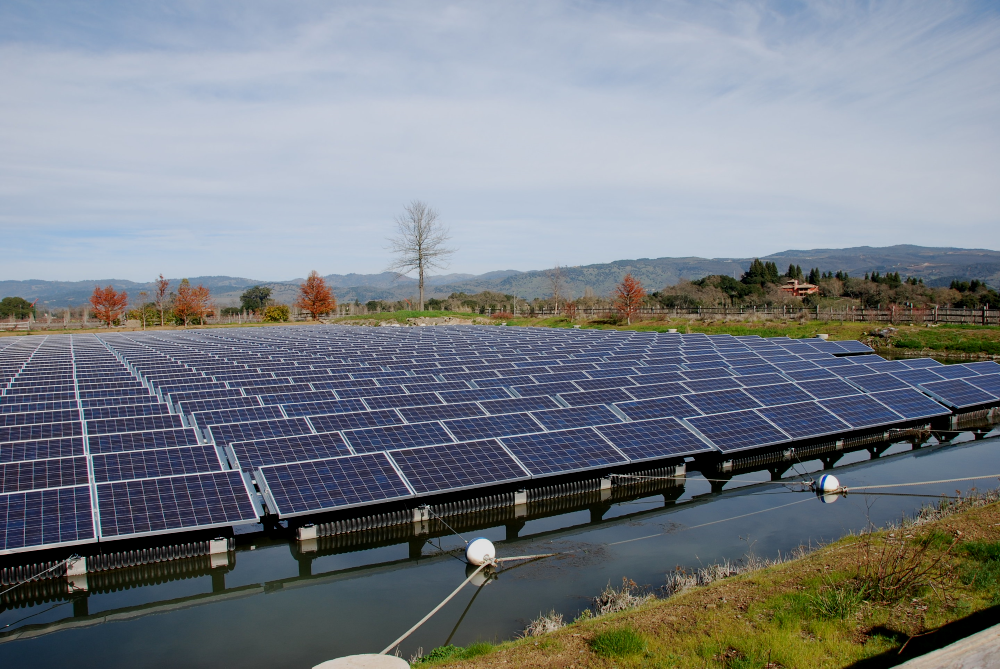
My training as an engineer was to look at the price of a commodity, and not worry about whether we are going to run short of anything. When the price of copper rises and rises, we substitute copper with aluminum. 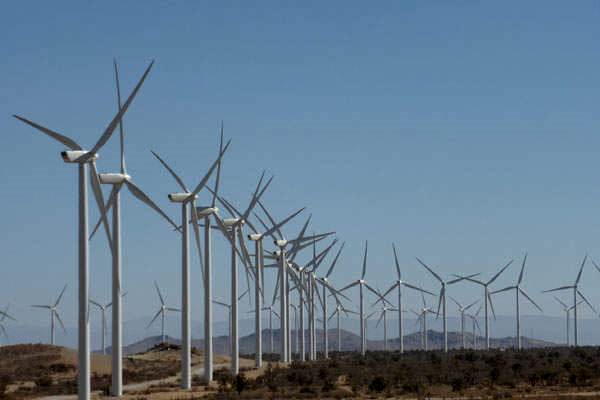 And, it is the same story for things like oil and gas. As the price rises large solar panels will spring up around the world. But solar has its own challenges. There is lots of power produced by solar around noon, but the big demand for energy is during the morning and evening hours. And how do you store energy produced by the sun.
 It is the same problem with energy produced by wind. How do you store energy produced during periods of high wind that are unrelated to periods of high energy demand.
To me the future crisis of energy sources is linked to the warming of the planet as a result of the excess formation of greenhouse gases that are trapping the sun’s heat. Of course, we are talking about carbon dioxide, methane (animals farting and chewing) and other stuff related to the burning of fossil fuels.
The most chilling experience associated with global warming was a three-hour session with nine scientists from the Arctowski Polish Research Station in the Antarctic. It was part of a cruise around the horn. The scientists said we are moving into period of global warming and that like every period of global warming in the geological record, we will experience massive specie loss.
And global warming will not only create flooding of low-lying areas of the world but increased demand for energy as power demand for cooling outstrips power demand for heating.
The scientists did not just focus on excess carbon dioxide in the atmosphere from the burning of fossil fuels, but on things like “solar output”, changes in the earth’s orbit and other subjects that I had trouble understanding.
My lesson at the time was that climate change was just as techy as tax reform. This means that only about 20% of the subject could be explained and politicized. Climate change is all about burning fossil fuels because that is all that politicians can explain.
The scary lesson is that we are heading into a crisis of energy shortages and climate change and no one can do much about it. No matter how much we cut back on the use of fossil fuels, about a third of the less developed areas of the world will be increasing energy usage as they industrialize.
The big issue is how engineers in all the various energy sectors respond to rising energy prices. Our solutions are technical not political.
01-01 The Crisis
(blank) » John Bulloch » 17 Energy » 01 The Crisis »