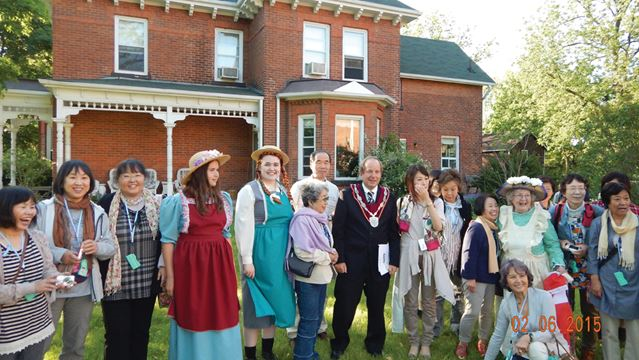
 I never used to think of the Canada-Japan relationship as special, until I visited PEI in the 1990s and saw a plane load of Japanese arrive to visit the home of Anne of Green Gables. The photo shows some happy tourists. It was the translation of the book into Japanese that took the country by storm, and ever since Japanese tourists love to say that they have visited “Anne’s home”.
Most Canadians think of Japanese investment in Canada associated with their automobile industry. And living twenty minutes from the Honda plant in Alliston, Ontario I can understand how powerful automobile investment can be. Our local town of Tottenham is a bedroom community for Alliston because of an explosion of Honda jobs and the need for housing.
But Japan is invested all through Canada, with large numbers of wholesaling firms distributing Japanese products throughout Canada. I have been told that about 600 large Japanese firms have facilities in Canada.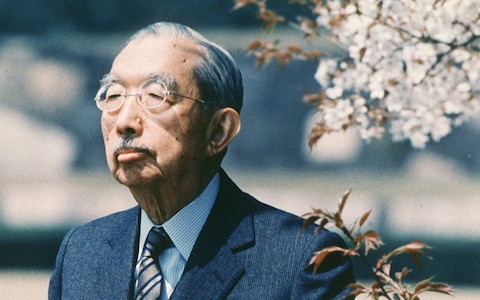 When the Japanese Emperor Akihito visited Canada in July 2009, this was a big deal and a signal to the Japanese people that the relationship between our two countries was a special one. This kind of visit is more significant than a visit of political leaders.
As a student of business, I have been particularly interested in our relationship with Japan. Traditionally investors want access to our resources, access to the US market, and access to our skilled workforce. All business 101 stuff. And companies like Japan want to buy our agricultural products, lobsters and food stuff. Yes, and our nasty coal.
And now that the Trans Pacific Partnership is in place, we will have more duty-free access to the Japanese market.
But Japan has a special problem. They are dealing with a shrinking population and one of the largest senior populations. Something seriously healthy about the Japanese diet.
So, look to Japan to become a leader in artificial intelligence and related technologies that replace people with machines.
And they are going to have to allow women to assume leadership positions in business and politics. Too many old men in leadership positions everywhere in Japan.
Something you notice visiting Japan is that the population is all Japanese. So different from travelling to the heterogeneous societies of the UK, the US, Australia and New Zealand. I used to think Japanese society was racist, but now I believe they are simply afraid foreigners will pose a threat to their culture. For Canadians who visited the Japan Festival in Mississauga in August 2018, they will have discovered just how friendly and welcoming Japanese society is. They love to have fun. You learn to love the pounding of drums, which is an art form in Japan. And how about their rice wine, called sake. I love all kinds of wine, but I really love good sake.
Looking to the future, smart Canadians will attempt to build relationships with Asia. And the development in Asia of the technologies of the future. The world will evolve around the growing power of China, Japan and India. But start with Japan.
And who is going to drive Canadian entrepreneurs, business leaders and politicians towards Asia. President Trump, that’s who. His tariffs on Canadian steel and aluminium, because we supposedly pose a national threat to the United States, is a signal that the old special relationship between Canada and the US is in trouble or over.
American protectionism is Americans lacking confidence in the future, and is a bigger issue than the posturing and bluster of the current president. Time to build new friendships.
03-02 National
(blank) » John Bulloch » 11 Emerging Powers » 03 Japan »