It was a class on "entrepreneurship" in the mid-1960s, and I had bought twenty newspapers for the students to examine. My lesson for the day was that problems and challenges are also opportunities. Or, bad news can be good news. I asked the students to see which stories might suggest a business opportunity.
It’s a great lesson today with societies facing dangers linked to climate change and environmental extremes.
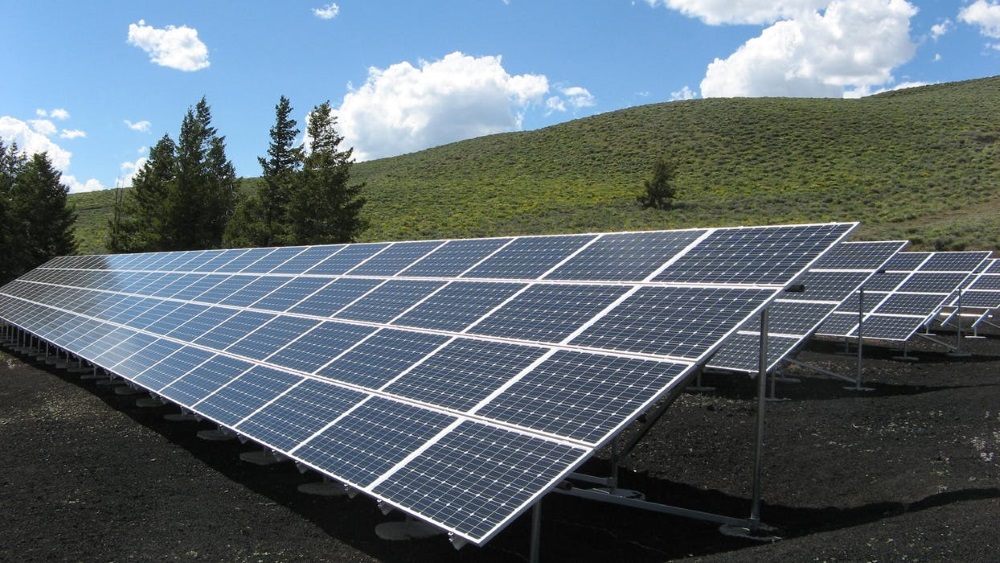
Back in the 1970s in Prince Edward Island, I visited what was called a “home of the future”. Power was generated by solar energy and windmills that was stored in batteries hidden in the dining room. Then there was a large fish tank in the kitchen growing tilapia, with the wastewater cycled into a greenhouse that was used to grow vegetables. Fish poo is an excellent fertilizer.
The engineer who pioneered the model home said that this project’s look into the future is only as good as the cost of the technology. Well today, forty years later, we have solar panels in Prince Edward Island competitive with the fossil-fueled power grid. The windmill driven power is also competitive. But, of course, the noisy windmills are all located in a windy and isolated area of the island.
And raising your own fish in tanks, well that can be seen all over China. The fish poo at the bottom of large carp-filled tanks fertilizes plants that ducks feed on. Not sure if the Chinese called this "going green" 1,000 years ago.
My personal background was first as an engineer, then a teacher, then a small business advocate, so I can look at climate issues like a scientist, a politician and a leader. But there is also a legal dimension. Unfortunately, I have a hard time thinking like a lawyer.
And there are multiple lawsuits in place against the US federal government because of President Trump’s decision to walk away from the Paris Accord on Climate Change.
And when we were spending winter months this year in California, a lawsuit was launched by the City of Santa Cruz against 29 oil, gas and coal companies for all the wildfires, droughts and extreme rainfall they have caused. Going green, for some folks, is about getting mad.
Another California adventure was when we went to an auto show and saw the future in terms of electric cars. Now my scientific mind really kicked in.
One of the speakers at the conference said that electric-driven cars will replace autos with combustion engines because they represent better technology. And the cost of electric cars will drop dramatically as the price of lithium batteries drop by half over the next five years. How about from $8,000 US to $4,000 US.
Yes, change represents disasters for some but opportunities for others. Ready for more excitement.
Listening to seven scientists on a cruise ship outside a Polish Research station in the Antarctic five years ago gave us this kind of message: All periods of rising temperatures in the geological record have been characterized by massive species loss. Yes, animals, plants and fungi. Fortunately, there is no threat to my steak and mushrooms. But at the same time, a lot of new species evolved.
Then we heard the following kind of discussion about the future: About polar bears breeding with brown bears; new plant species that thrive at higher temperatures; desert areas becoming lush and lush areas becoming deserts; populated regions becoming unlivable and unpopulated regions becoming livable; massive fish migrations with fish species looking for both warmer and colder water, and the opening of the North West Passage. Liked that last part.
I personally believe that we will reach the point where climate change will not be political but something everyone is focused on, like the unity you experience in wartime.
More cycling and less driving? Sure. Solar panels on our rooves? Sure. Gas pumps replaced by battery chargers? Sure. People bathing on the streets of Miami rather than on the beaches? Now, let’s not get carried away.
08-02 Acting Green
(blank) » John Bulloch » 10 Canada-US Relations » 08 Environment »