Holy Moly! The grandkids say, "Cool". But it is 1989, and we are coming down for breakfast at a Bed and Breakfast at Niagara-on-the-Lake down in the Niagara peninsula. And sitting at the big table is a New York couple we had travelled with two years earlier throughout the Soviet Union.
There were two other couples there from the US and doing what Americans do when our dollar is weak, and that is holidaying in Canada. Our friends were planning to enjoy four productions at the Shaw Festival and then travel to Stratford, Ontario and see four more theatrical productions at the Stratford Festival.
During the most recent years, with President Trump keeping our dollar weak with the imposition of tariffs and tariff threats, tourism in Canada has been increasing at a rate of about 10% a year – a bargain for Americans and jobs for Canadians.
And despite the high costs associated with Canadian travel and tourism, it is still cheaper than holidaying in the US. During my active years in quasi-politics as the President of the Canadian Federation of Independent Business, we were always railing against the high taxes imposed on travellers. About 40% of the costs of tourism in Canada is linked to taxes on airline tickets, hotel rooms, rental cars and gasoline.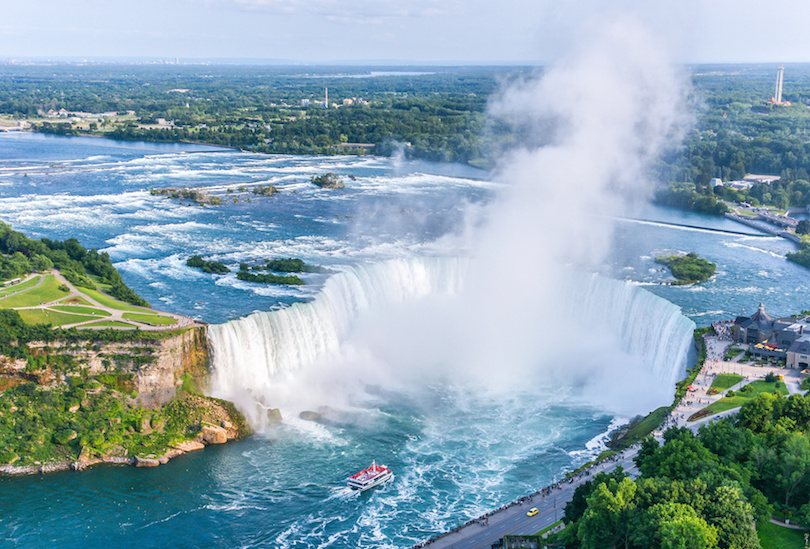 Back to our stay at the bed and breakfast. The other couples were planning to travel to see Niagara Falls after the Shaw Festival performances. And, of course, we had to tell them that this was our honeymoon destination back in 1955, when I was a third-year engineering student and my wife a nurse at the old Wellesley hospital. So many Canadians still view Niagara Falls as a honeymoon destination.
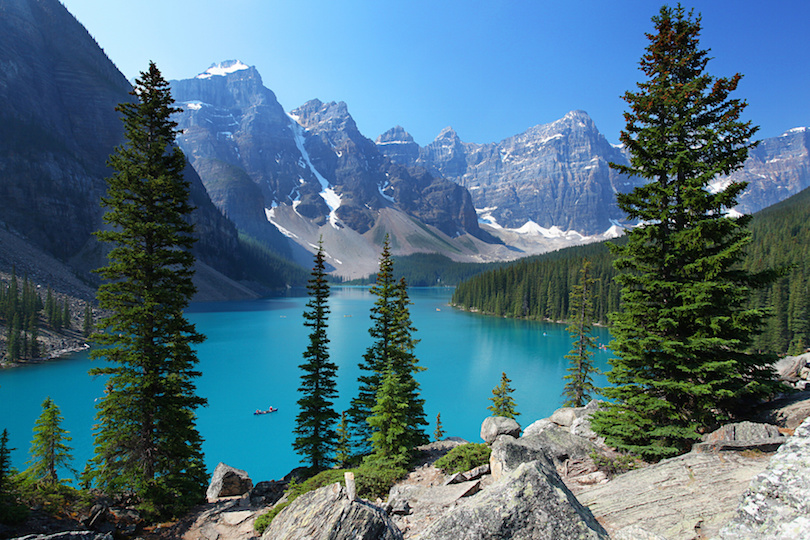 Hard to match Niagara Falls as a tourist area, but Canada has a fair number of breath-taking destinations. One of my other favourites is Moraine Lake in Banff National Park. When I was a high school student, one of the most popular summer jobs was working at the famous lodges at either Banff or Jasper in Alberta.
 So many Albertans take the beauty of their province for granted, but they love to talk about the Calgary Stampede, which draws tourists from all over North America. And they love to give visitors one of their large white cowboy hats. Kept mine for twenty years before it rotted away.
What is a problem today for tourism everywhere, is that so many destinations and attractions lack any real unique flavour. Hotels are hotels. Shopping is the same everywhere. And it is the same fast food outlets no matter where you go. 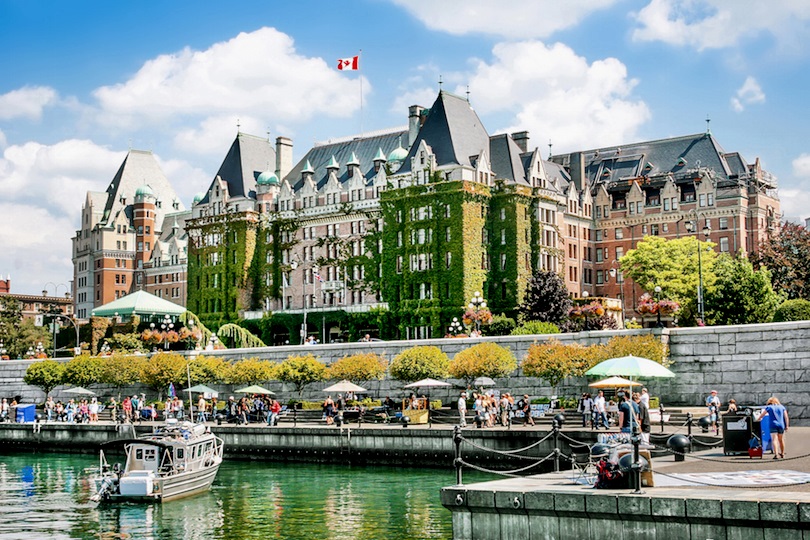 But, what is so unique about Canadian tourism is that it reflects our unique geography and casual, accommodating culture. Can you ever beat the capital of British Columbia, which is the city of Victoria on Vancouver Island? The photo of the Victoria Harbour is pure magic. In my former life, I visited the politicians in Victoria once a year and held press conferences in the famous Empress Hotel.
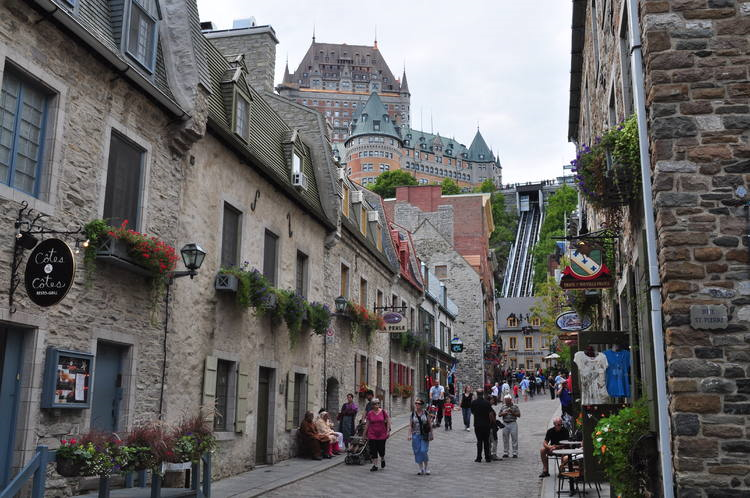 I tell Americans that we have two provinces where the culture is quite unique. That is the provinces of Newfoundland and Labrador and Quebec. No Canadian or American wants to miss either of these destinations. My most famous Canadian holiday was spending a winter week in the city of Quebec and walking around Old Quebec, the historic area of the city, and simply enjoying the wonderful people and their marvellous French cooking.
Mary and I used to take bread and wine up to our hotel suite in the famous Chateau Frontenac hotel. How's that for romance! Quebec is the oldest city in North America. Everything is unique and beautiful.
America may be going through a protectionist phase which can hurt our exports, but weakening our currency strengthens tourism. I mean we have motor vehicles, auto parts, crude petroleum, newsprint and then tourism. So tourism is a big deal, at least in the spring, summer and fall months of the year.
Prince Edward Island, for example, is magic in the summer but in the winter, the snow is piled up at the side of the road to the top of the lampposts. Not very touristy.
What is touristy is the Japanese love of Anne of Green Gables, the story of the little PEI girl with bright red hair, which was translated into Japanese before WW2. Mother taught English for twenty years during the ‘60s and ’70s to the wives of Japanese working in Canada, and she used the Anne of Green Gables story as a teaching tool. So thanks Mother, for helping boost Japanese tourism. They still come to Canada and PEI in plane-loads.
05-02 Canadian Issues
(blank) » John Bulloch » 10 Canada-US Relations » 05 Tourism »